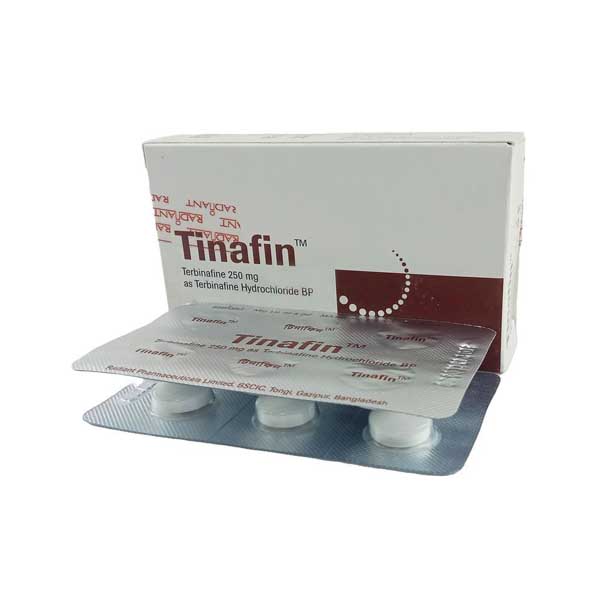
This tablet is indicated for the treatment of onychomycosis of the toenail or fingernail due to dermatophytes Tinea Unguium.

Terbinafine, an Allylamine antifungal, inhibits biosynthesis of Ergosterol an essential component of fungai cell membrane via inhibition of Squalene Epoxidase enzyme. This results in fungal cell death primarily due to the increased membrane permeability mediated by the accumulation of high concentrations of Squalene but not due to Ergosterol deficiency.
Terbinafine tablet:
Contraindications Terbinafine Hydrochloride tablet and cream are contra-indicated in individuals with hypersensitive to terbinafine.
Terbinafine Hydrochloride tablet and cream are contra-indicated in individuals with hypersensitive to terbinafine.
The adverse events reported encompass gastrointestinal symptoms (including diarrhea, dyspepsia and abdominal pain), liver test abnormalities, rashes, urticaria, pruritus, and taste disturbances.
Pediatric use: The safety and efficacy of terbinafine have not been established in pediatric patients.
Use in the elderly: There is no evidence to suggest that elderly patients require different dosages or experience side-effects different to those of younger patients.
Clinical experience regarding overdose with terbinafine tablets is limited. Doses up to 5 gm (20 times the therapeutic daily dose) have been taken without inducing serious adverse reactions. The symptoms of overdose included nausea, vomiting, abdominal pain, dizziness, rash, frequent urination, and headache.
Other Antifungal preparations, Topical Antifungal preparations
Store in a cool and dry place, below 30°C, protect from light.