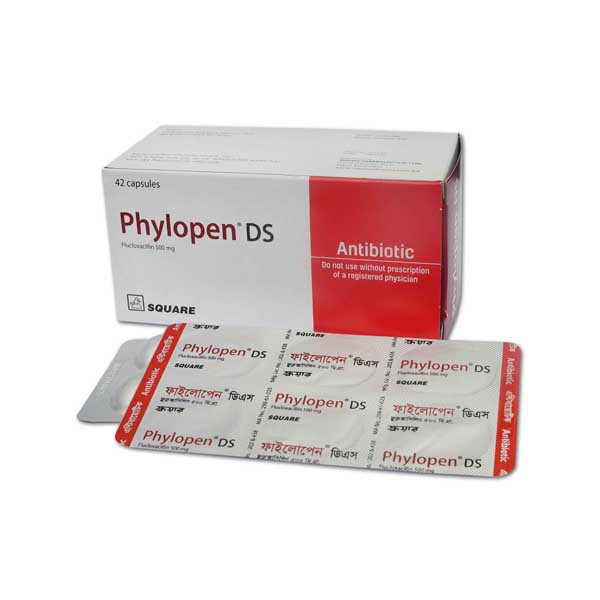
Concurrent use of Phylopen DS and may result in increased level of Phylopen DS in blood for prolonged period.
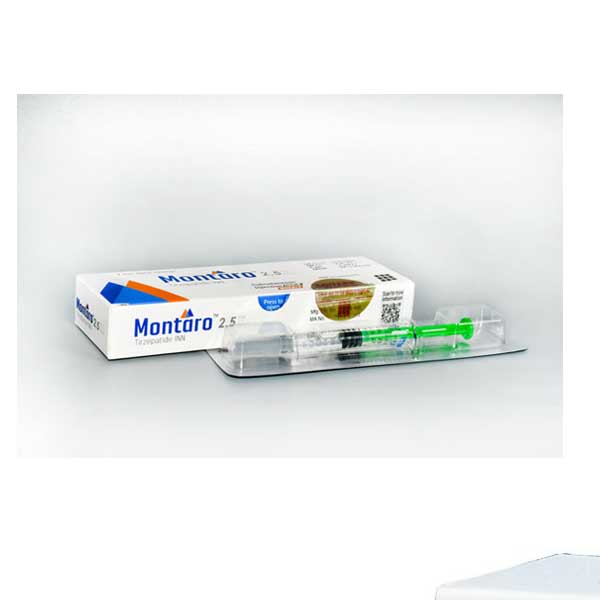
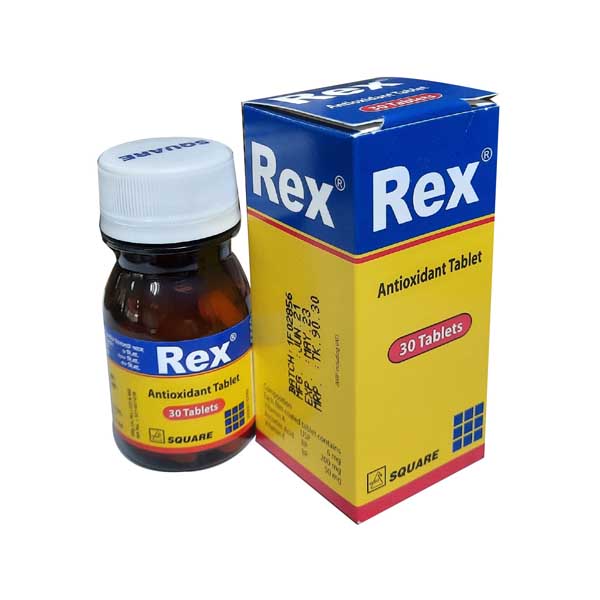
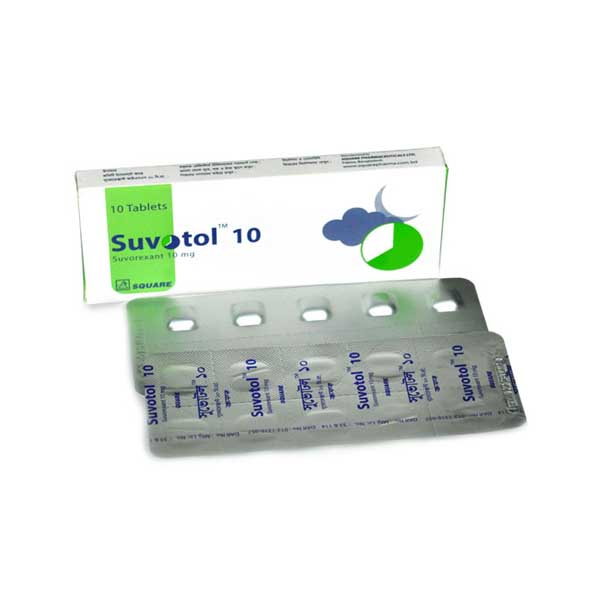

Oral doses should be administered 1 hour before meal.
Concurrent use of Phylopen DS and may result in increased level of Phylopen DS in blood for prolonged period.
Flucloxacillin is contraindicated in penicillin hypersensitive patients.
There have been some common side effects of gastrointestinal tract such as nausea, vomiting, diarrhoea, dyspepsia and other minor gastrointestinal disturbances. Besides these rashes, urticaria, purpura, fever, interstitial nephritis, hepatitis and cholestatic jaundice have been reported.
US FDA Pregnancy Category of Flucloxacillin is B. There are, no adequate and well-controlled studies in pregnant women. Because animal reproduction studies are not always predictive of human response, this drug should be used during pregnancy only if clearly needed. Flucloxacillin have been shown to be excreted in human milk. So, caution should be exercised when Flucloxacillin is administered to a lactating mother.
Phylopen DS should be used with caution in patients with evidence of hepatic dysfunction. Caution should also be exercised in the treatment of patients with an allergic diathesis.
In severe renal failure (creatinine clearance <10 ml/min), a reduction in dose or an extension of dose interval should be considered.Therapeutic ClassPenicillinase-resistant penicillins
Phylopen DS has been used in other routes in conjunction with systemic therapy. It has been administered in a dose of 250 mg to 500 mg daily by intraarticular injection, dissolved if necessary in a 0.5% solution of lignocaine hydrochloride, and by intrapleural injection in a dose of 250 mg daily. Using powder for injection, 125 mg-250 mg has been dissolved in 3 ml of sterile water and inhaled by nebuliser four times daily.
Keep in a dry place away from light and heat. Keep out of the reach of children.