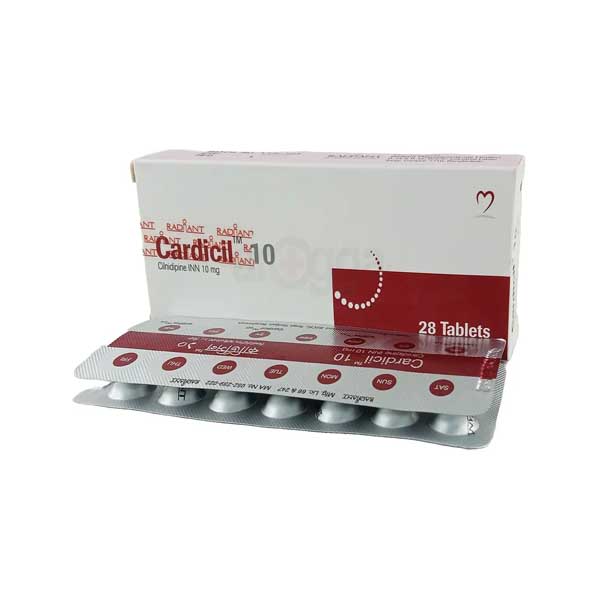
Cardicil is indicated for the management of hypertension for end-organ protection. It is reported to be useful in elderly patients and in those with diabetes and albuminuria.



Cardicil is indicated for the management of hypertension for end-organ protection. It is reported to be useful in elderly patients and in those with diabetes and albuminuria. Cardicil has been increasingly used in patients with chronic kidney disease Hypertension is the term used to describe the presence of high blood pressure.
Cilnidipine is a dihydropyridine calcium-channel blocker. Cilnidipine binds to the dihydropy-ridine binding sites of the L-type voltage dependent calcium channel and inhibits Ca2+ influx across the cell membranes of vascular smooth muscle cells via this channel, consequently vascular smooth muscle is relaxed, causing vasodilation. Cilnidipine inhibits Ca2+ influx via N-type voltage dependent calcium channels in the sympathetic nerve cell membrane.
Other anti-hypertensive, antipsychotics that cause hypotension, quinidine, carbamazepine, phenytoin, rifampicin, cimetidine, erythromycin.
Cilnidipine is contraindicated in patients with known sensitivity to Cilnidipine or any of the excipients or patients having cardiogenic shock, recent MI or acute unstable angina and severe aortic stenosis.
The most common side effects of Cardicil are: Dizziness; flushing; headache; hypotension; peripheral oedema; palpitations; GI disturbances; increased micturition frequency; lethargy; eye pain; depression.
Calcium-channel blockers
Store below 30°C, protected from light and moisture. Keep away from reach out of the children.