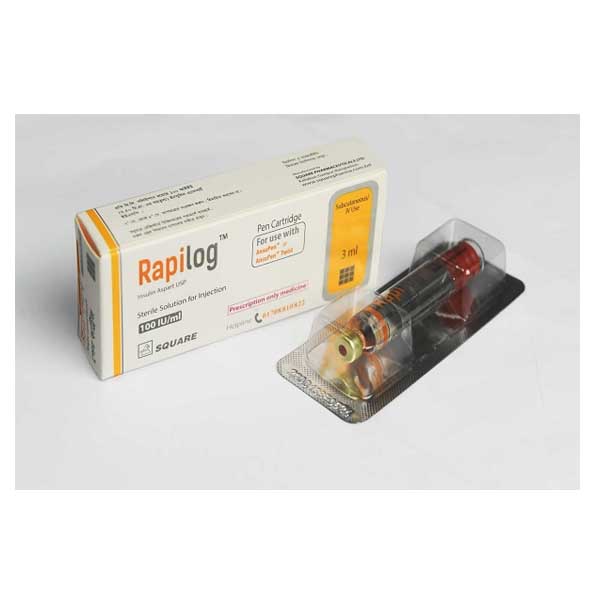
Rapilog is a rapid acting human insulin analog indicated to improve glycemic control in adults and children with diabetes mellitus.
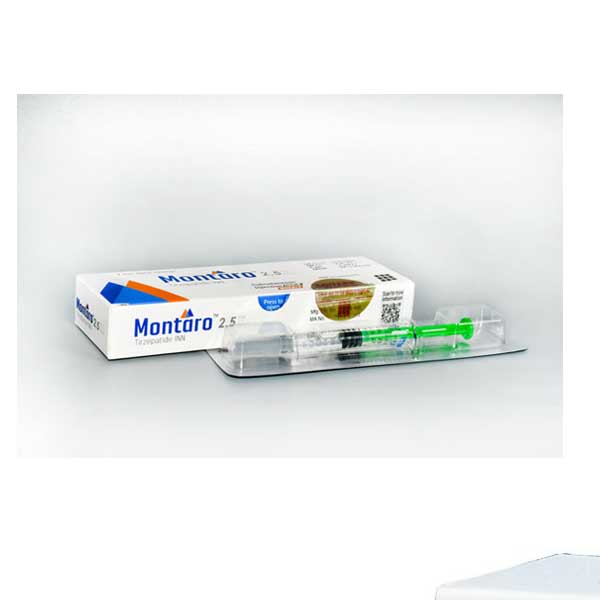
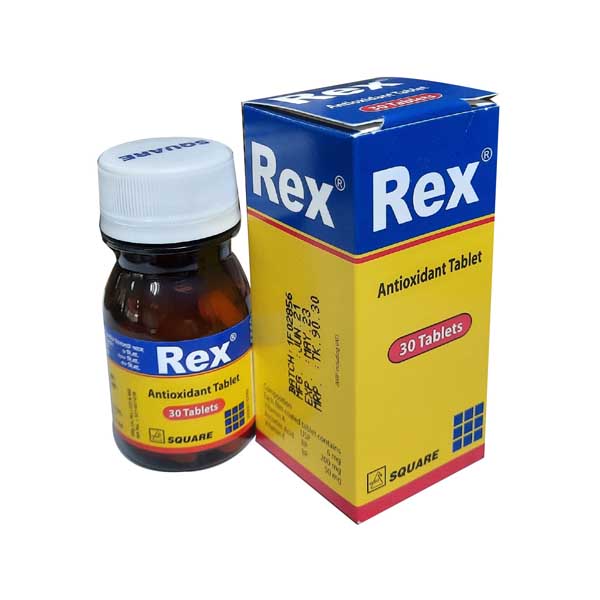
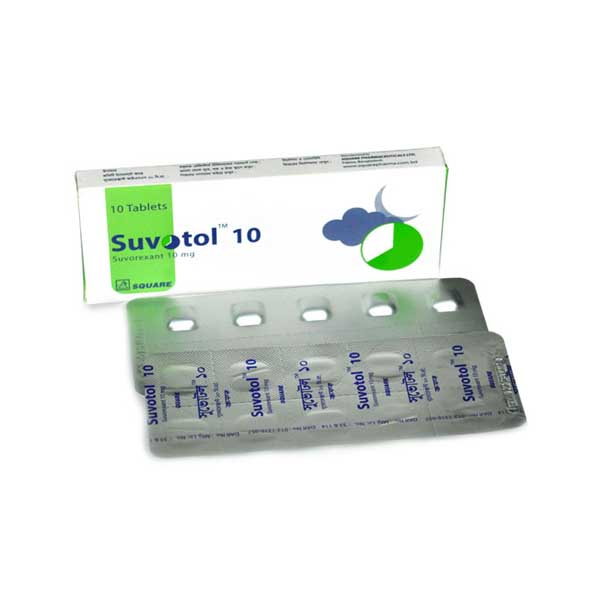

Rapilog is a rapid acting human insulin analog indicated to improve glycemic control in adults and children with diabetes mellitus.
Each ml suspension contains 100 IU (equivalent to 3.50 mg) Insulin Aspart (rDNA) BP as 30% soluble Insulin Aspart and 70% protamine-crystallised Insulin Aspart.
Rapilog protamine and Rapilog is a sterile suspension of human insulin analog containing 30% soluble Rapilog and 70% protamine-crystallised Rapilog. It is a blood glucose lowering agent with an earlier onset and an intermediate duration of action. Rapilog is homologous with regular human insulin with the exception of a single substitution of the amino acid proline by aspartic acid in position B28, and is produced by recombinant DNA technology.
The primary activity of Insulin Aspart is the regulation of glucose metabolism. Insulin Aspart bind to the insulin receptors on muscle and fat cells and lower blood glucose by facilitating the cellular uptake of glucose and simultaneously inhibiting the output of glucose from the liver.
A number of drugs affect glucose metabolism and may require dose adjustment. The following substances may reduce the Rapilog as well as Rapilog requirements: Oral anti-diabetic products, angiotensin converting enzyme (ACE) inhibitors, disopyramide, fibrates, fluoxetine, monoamine oxidase inhibitors, propoxyphene, pentoxifylline, salicylates and sulfonamide antibiotics.
Insulin Insulin Aspart is contraindicated-
Side effects of Rapilog are hypoglycemia, allergic reactions, injection site reaction, lipodystrophy, pruritus and rash.
Pregnancy category B. There are no restrictions on treatment with Insulin Aspart during lactation. Insulin treatment of the nursing mother should not affect the baby. However, dosage may need to be adjusted.
Dose adjustment and monitoring: Blood glucose should be monitored in all patients treated with insulin. Rapilog regimens should be modified cautiously and only under medical supervision.
Renal Impairment: Decreased dose may be necessary.
Hepatic Impairment: Decreased dose may be necessary.
A specific overdose for insulin cannot be defined, however, hypoglycaemia may develop over sequential stages if too high doses relative to the patient’s requirement are administered. Mild hypoglycaemic episodes can be treated by oral administration of glucose or sugary products.
Rapid Acting Insulin
Store at 2°C to 8°C in a refrigerator. Do not freeze. Protect from light.